Origin Stories
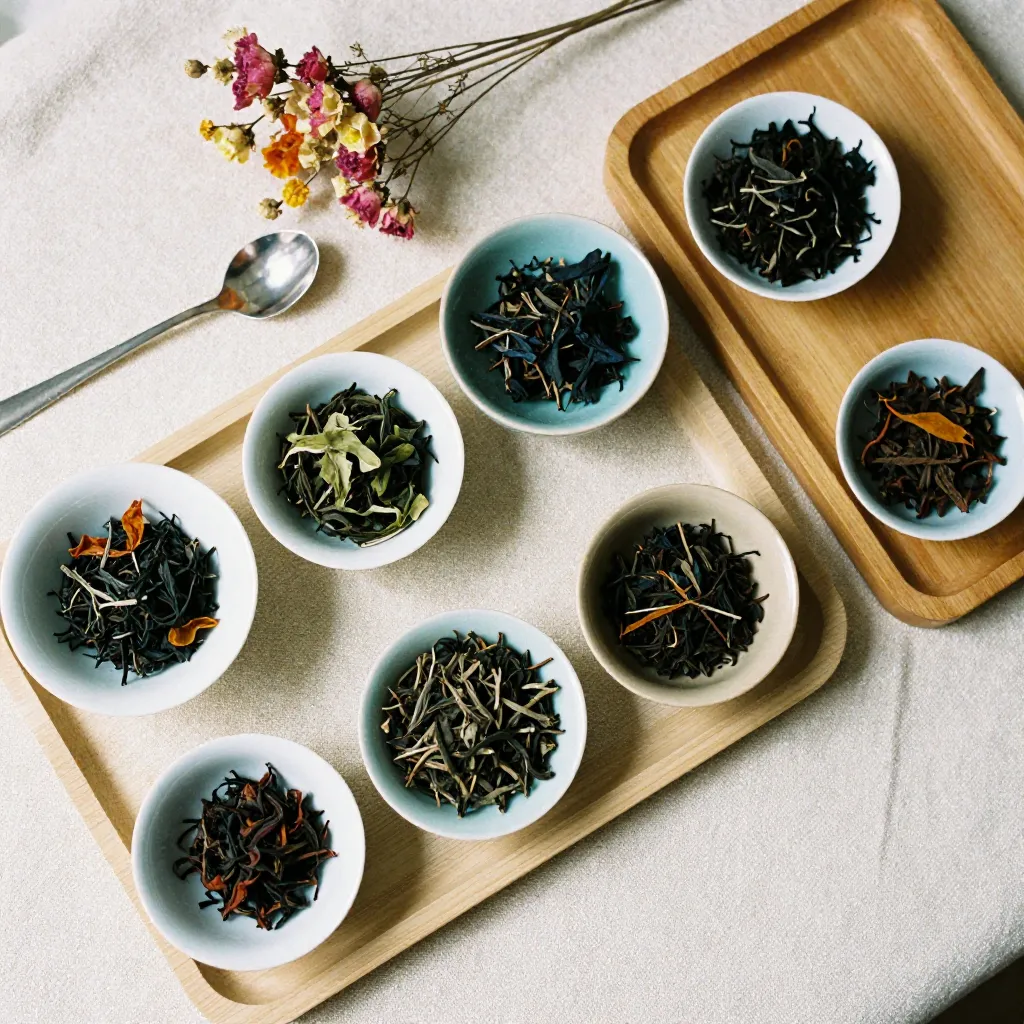
Journey to the regions where exceptional teas are born, shaped by terroir, climate, and tradition.
Tea Growing Regions
Each tea-growing region imparts its unique character to the leaves. From the misty mountains of Asia to the highlands of Africa, discover how geography and climate create distinct flavor profiles.
Asian Regions
The birthplace of tea cultivation, Asian regions like China, India, Japan, and Sri Lanka produce some of the world's most celebrated teas. Mountainous terrain, varied climates, and centuries of tradition create exceptional quality.
African Regions
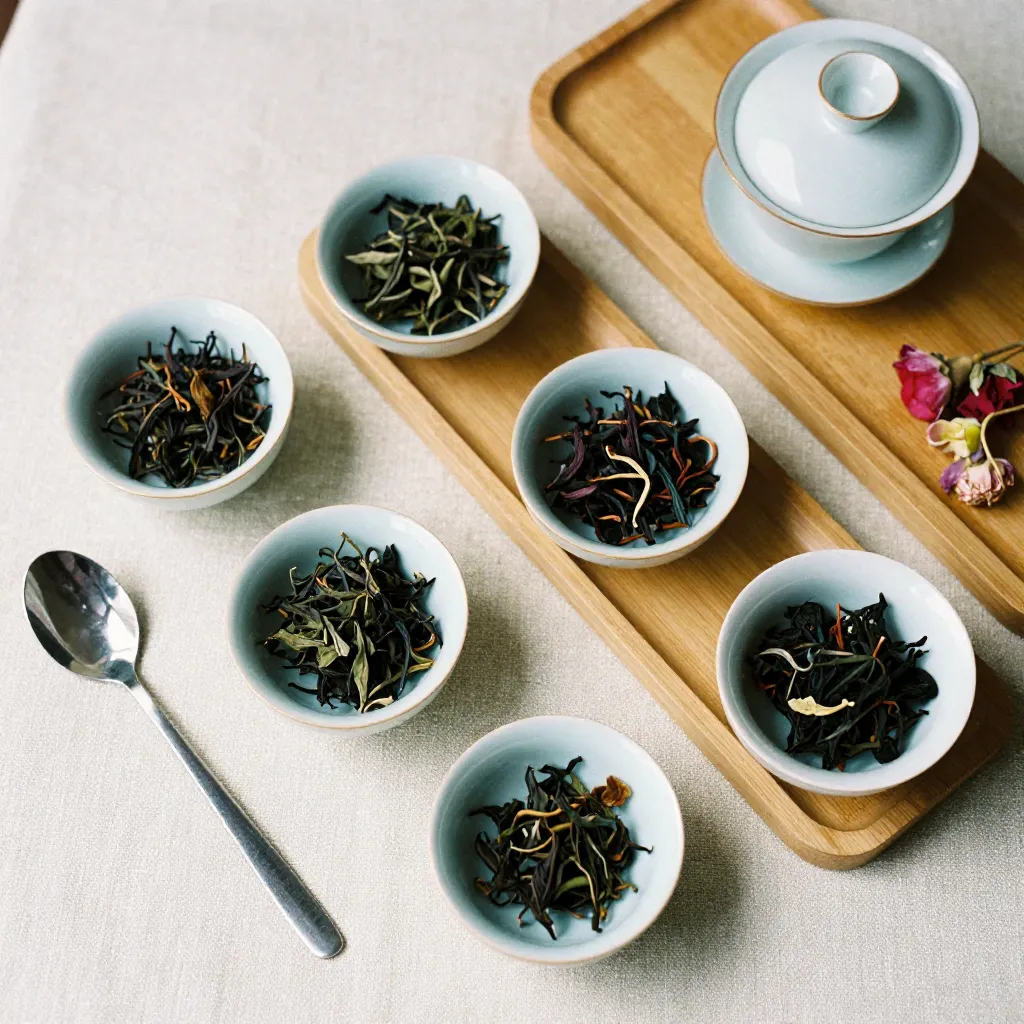
Kenya, Rwanda, and other African nations produce bold, bright teas known for their robust character. High-altitude growing conditions and volcanic soil contribute to distinctive flavor profiles.
Other Regions
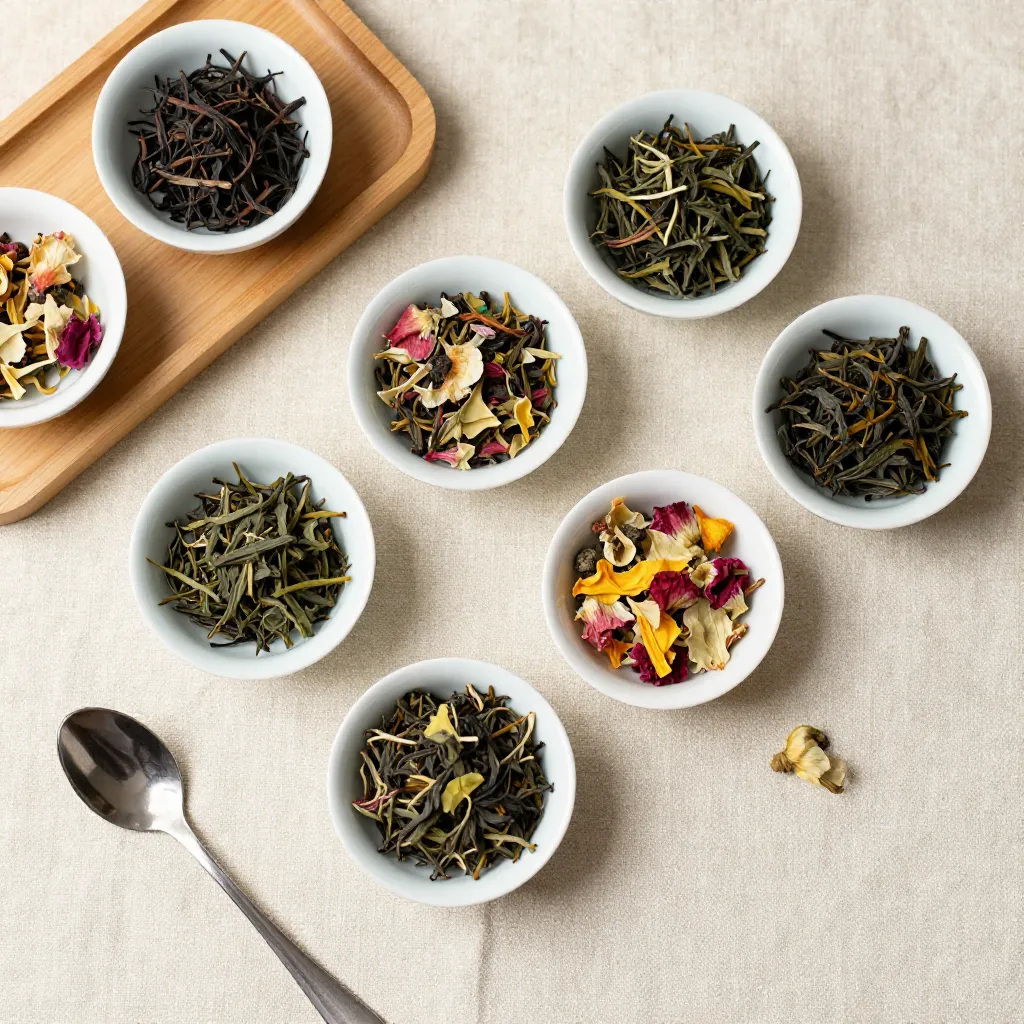
Tea cultivation has spread to many regions worldwide, each contributing unique characteristics. From Taiwan's high mountain oolongs to South American plantations, diversity enriches the tea world.
Asian Origins
Darjeeling, India
Nestled in the foothills of the Himalayas, Darjeeling produces teas known as the champagne of teas. The high altitude, cool climate, and misty conditions create delicate, muscatel-flavored teas with floral notes. The region's unique terroir results in teas that are light, aromatic, and highly prized by connoisseurs.
Flavor Profile: Delicate muscatel notes with floral undertones and a light, astringent finish.
Fujian, China
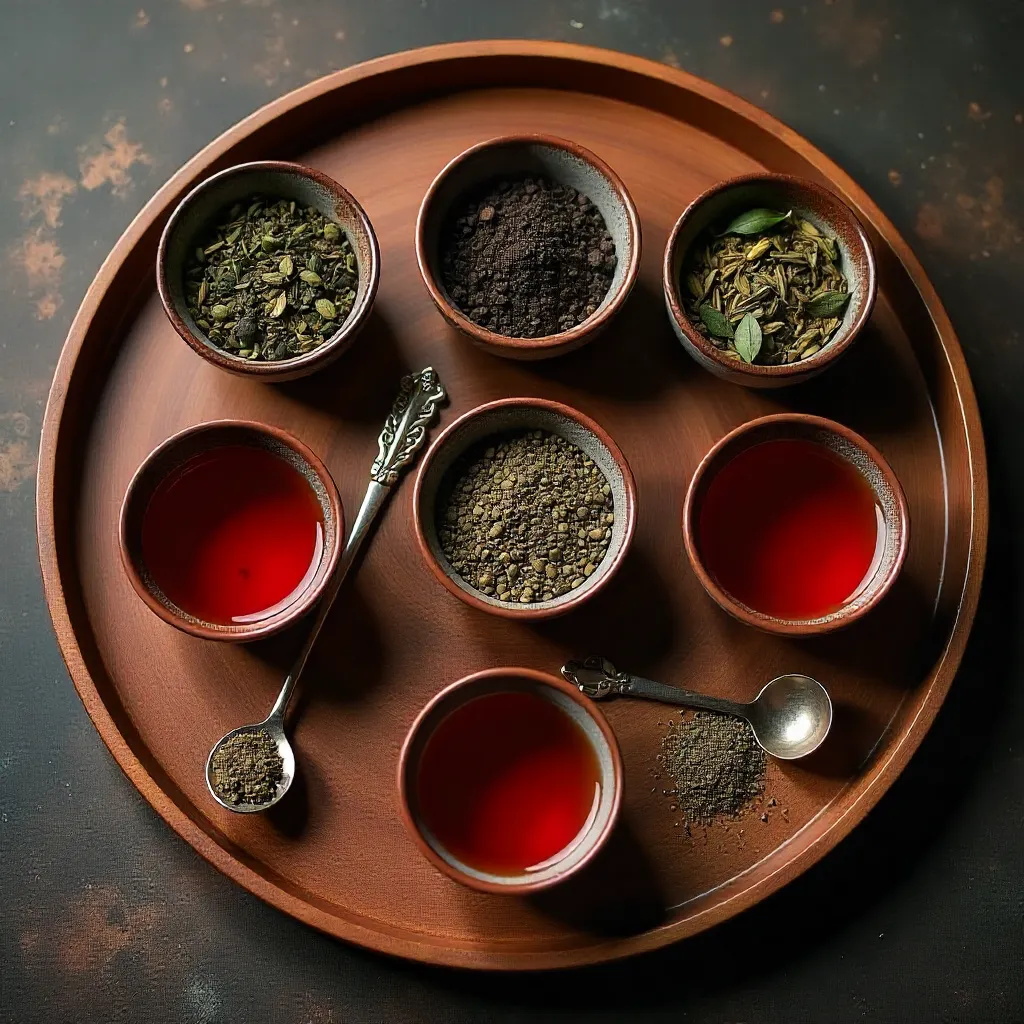
Fujian province is the birthplace of many tea varieties, including oolong and white teas. The region's diverse microclimates and rich tea-making traditions produce teas with complex flavor profiles. From the delicate Silver Needle white tea to the robust oolongs, Fujian teas showcase centuries of refinement.
Flavor Profile: Complex layers of floral, fruity, and mineral notes with a smooth, lingering finish.
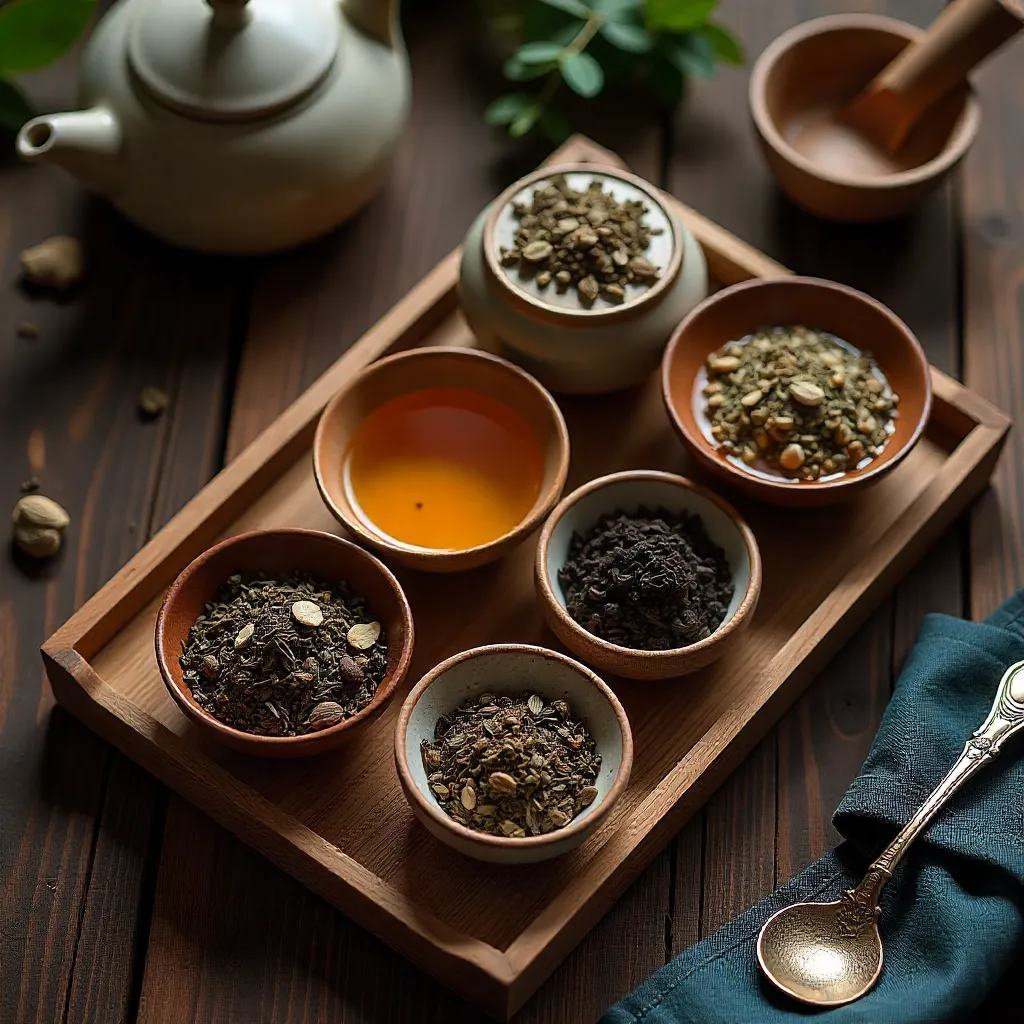
Uji, Japan
Uji is Japan's most celebrated tea region, renowned for producing matcha and high-grade sencha. The region's shaded growing techniques and meticulous processing create teas with umami-rich flavors and vibrant green color. Uji teas are central to Japanese tea ceremony traditions.
Flavor Profile: Rich umami with vegetal notes, sweet undertones, and a clean, refreshing finish.
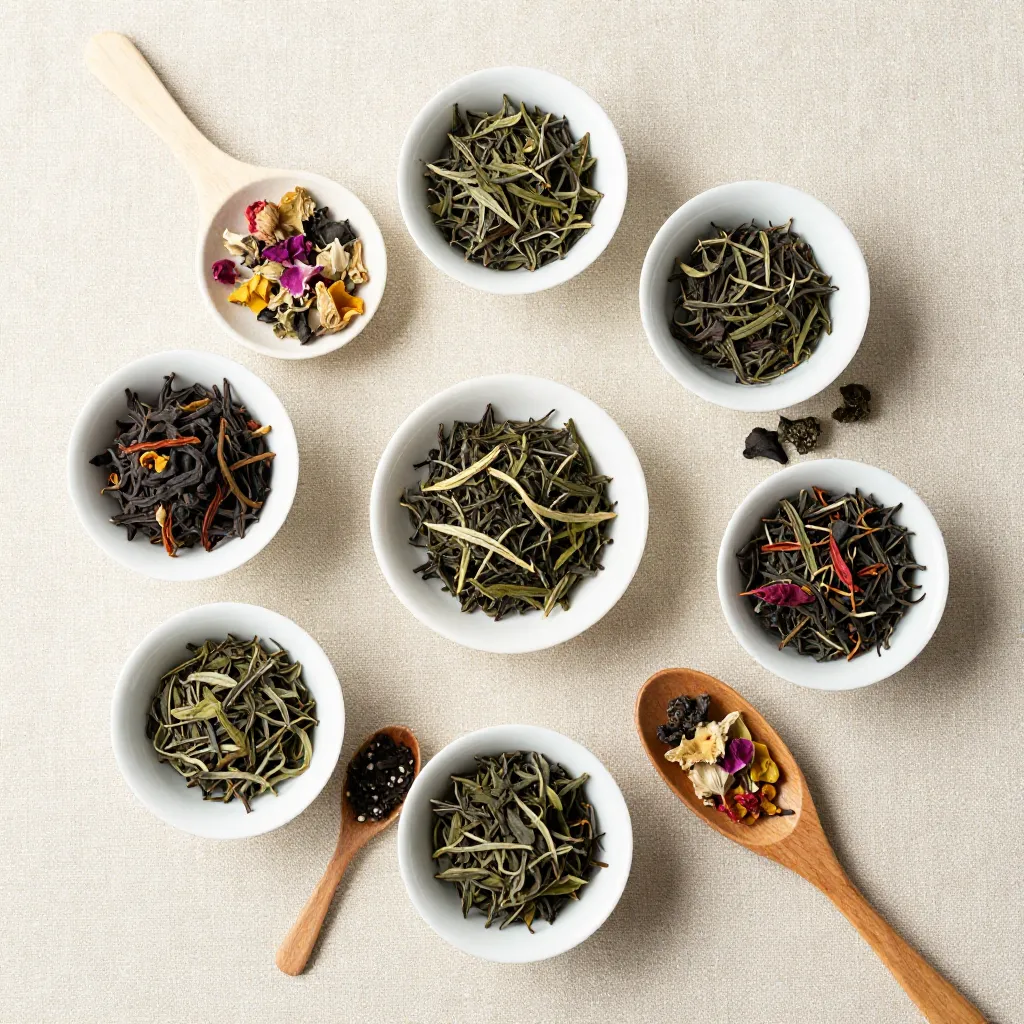
African Origins
Kenya Highlands
Kenya produces bright, brisk black teas known for their bold flavor and rich color. The high-altitude growing regions benefit from volcanic soil and consistent rainfall, creating ideal conditions for tea cultivation. Kenyan teas are often used in breakfast blends for their strong, invigorating character.
Flavor Profile: Bold, malty notes with citrus undertones and a brisk, astringent finish.
Rwanda Mountains
Rwanda's tea industry has gained recognition for producing high-quality, specialty teas. The mountainous terrain and equatorial climate create unique growing conditions. Rwandan teas are known for their smooth, balanced flavor and are increasingly sought after by specialty tea markets.
Flavor Profile: Smooth and balanced with notes of honey and stone fruits, mild astringency.
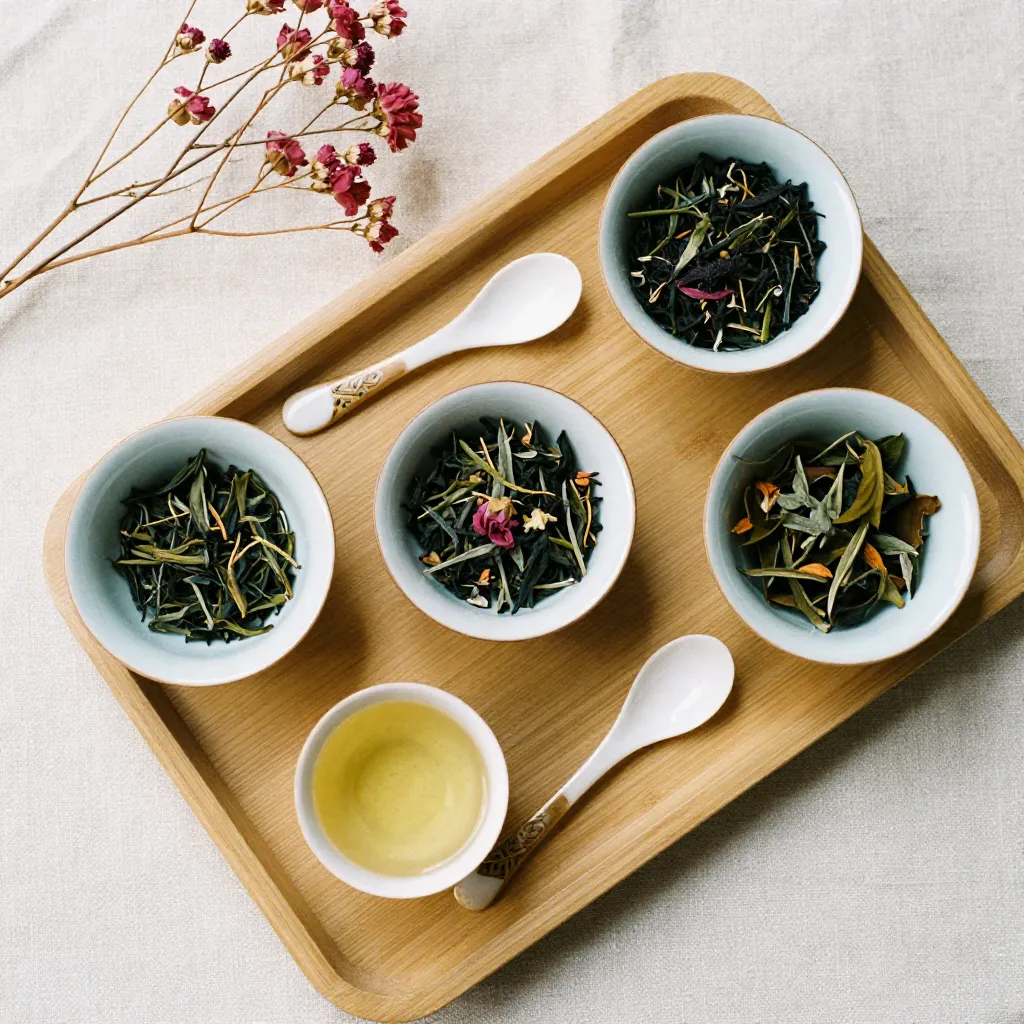
Other Notable Regions
Ceylon, Sri Lanka
Sri Lankan teas, known as Ceylon teas, vary dramatically by elevation. High-grown teas from regions like Nuwara Eliya are light and fragrant, while low-grown teas are bold and full-bodied. The island's diverse geography produces a wide range of flavor profiles.
Flavor Profile: Bright and citrusy at high elevations, bold and malty at lower elevations.
Taiwan Mountains
Taiwan is famous for its oolong teas, particularly those from high mountain regions. The cool, misty conditions and careful processing create teas with exceptional complexity. Taiwanese oolongs range from lightly oxidized, floral varieties to heavily roasted, rich teas.
Flavor Profile: Floral and fruity with notes of peach and orchid, smooth texture with natural sweetness.
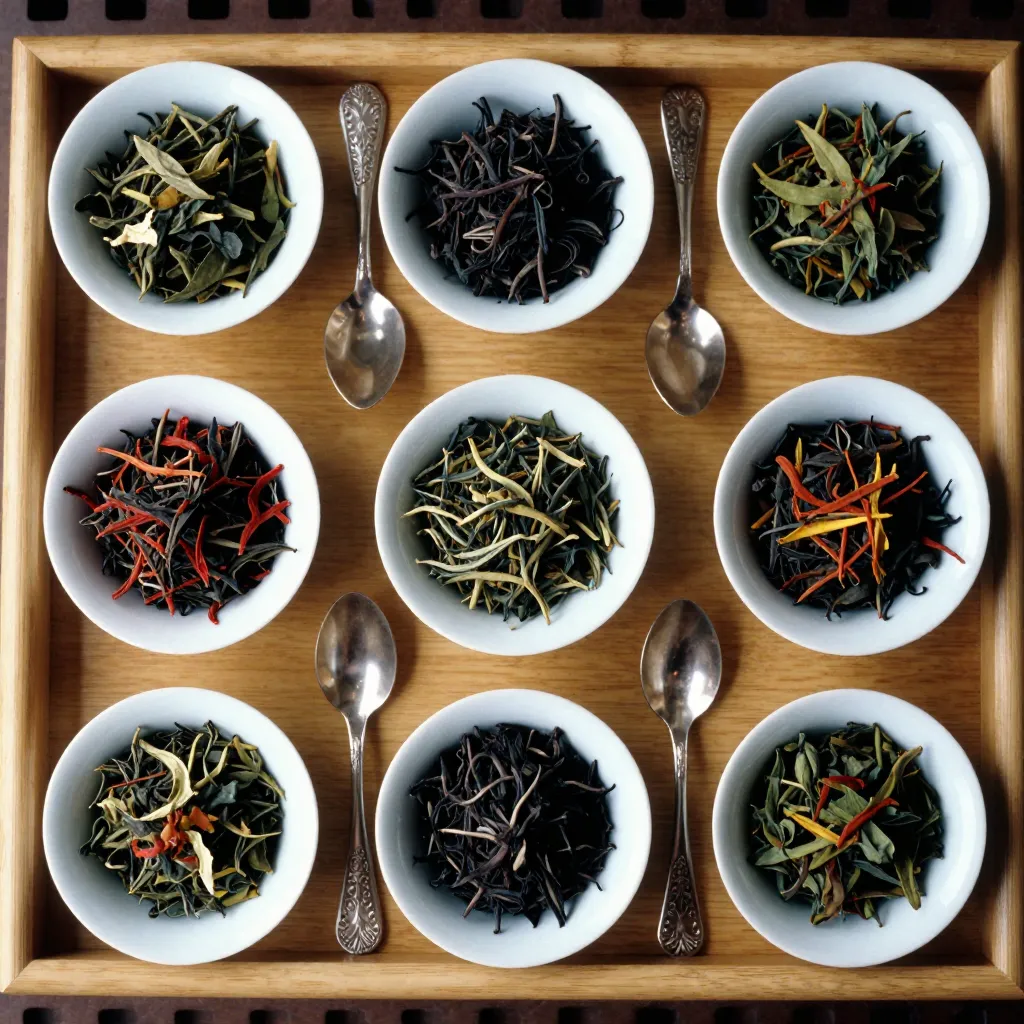
Tea Processing Methods
The way tea is processed after harvesting significantly influences its final character. From traditional hand-rolling techniques to modern mechanical processing, each method brings out different qualities in the leaves. Understanding these processes helps appreciate the diversity and complexity of tea varieties.
Withering
Freshly plucked leaves are spread out to lose moisture and become pliable. This initial step prepares the leaves for further processing and begins the development of flavor compounds.
Rolling
Leaves are rolled to break cell walls and release essential oils. Traditional hand-rolling preserves delicate leaves, while mechanical rolling ensures consistency in larger productions.
Oxidation
Controlled exposure to oxygen determines tea type. Green teas are quickly heated to prevent oxidation, while black teas are fully oxidized, developing rich, complex flavors.
Firing
Heat stops oxidation and locks in flavor. Methods vary from pan-firing for green teas to oven-drying for black teas, each technique contributing unique characteristics.

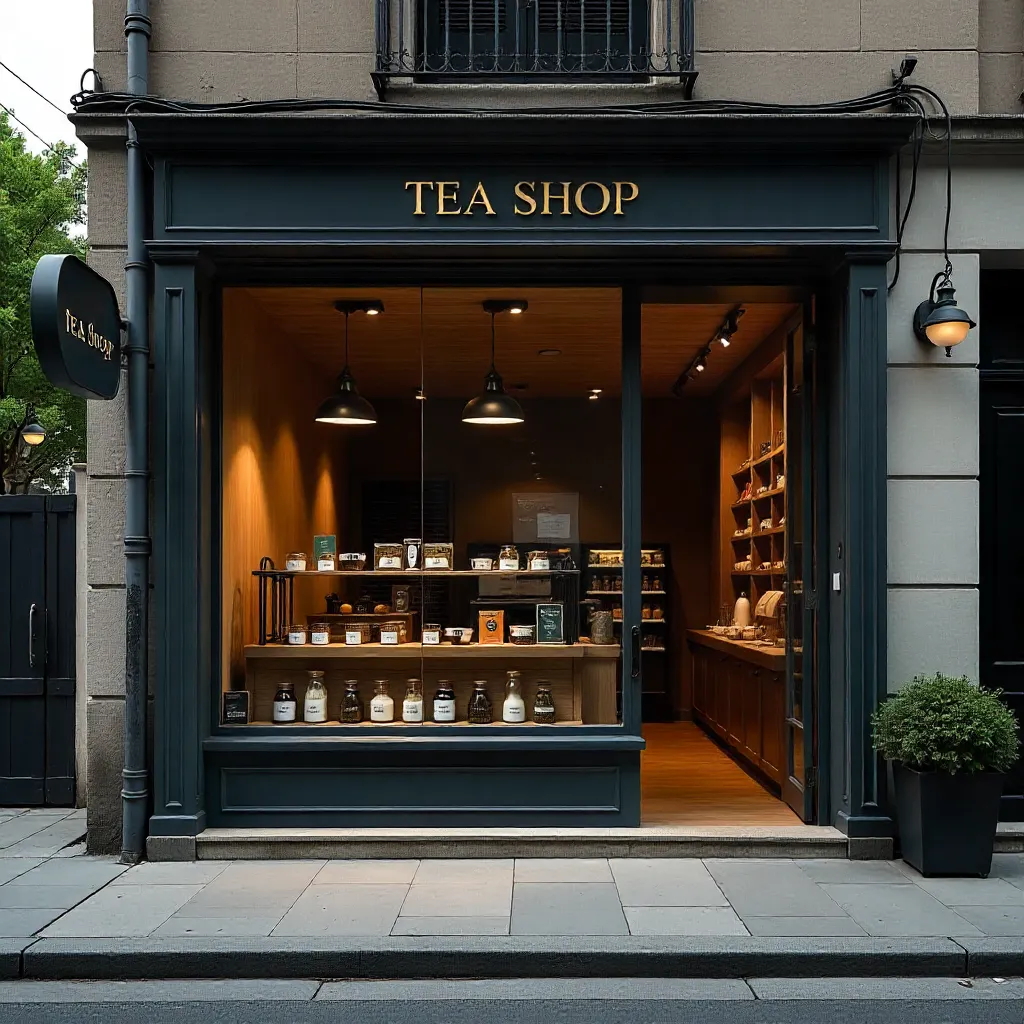



Modern processing facilities combine traditional knowledge with quality control measures. Each step is carefully monitored to ensure consistency and preserve the unique qualities that make each tea special. From initial harvest to final packaging, the processing journey transforms simple leaves into the diverse range of teas we enjoy today.